Clubhouse Font: A Playful Script for Makers
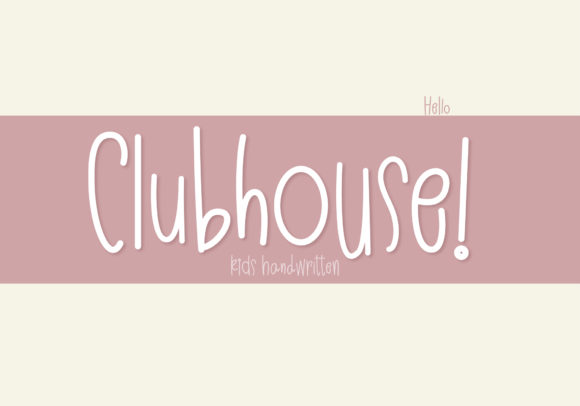
The afternoon light was hitting my workbench just right as I stared at the blank label template for my new line of soy candles. I had the scent names finalized—Lavender Haze, Citrus Burst, Midnight Rain—but the typography felt stiff. The standard sans serif I usually relied on was clean, sure, but it lacked soul. It didn’t capture the cozy, carefree vibe I wanted customers to feel before they even lifted the lid. That is when I opened Clubhouse, a fresh script font that immediately changed the tone of the entire project.
As a handmade seller, you know that your products are not just objects; they are experiences. The way your text looks on a sticker, a wedding invitation, or a tote bag communicates value and personality instantly. Clubhouse is not just another addition to your digital library; it is a tool that brings a unique, playful edge to your brand identity. With its carefree attitude, this typeface bridges the gap between professional polish and approachable charm, making it an ideal choice for creators who want their work to feel personal and inviting.
Bringing Personality to Product Labels
When I applied Clubhouse to the candle labels, the transformation was immediate. The letters have a natural flow, mimicking the rhythm of actual handwriting without the inconsistencies that can sometimes plague genuine penmanship. For product packaging, this consistency is vital. Whether you are printing fifty labels for a local craft fair or preparing digital files for a print-on-demand service, the font remains legible and stylish.
The visual personality of Clubhouse is distinct. It feels modern yet timeless, suitable for a wide range of aesthetic directions. I have used it for boutique tags on handmade jewelry, where the delicate curves complement the metalwork, and for rustic farmhouse signs, where its bold strokes stand out against wood grain textures. Because it is a display font, it shines brightest in short phrases, titles, and names. It is not designed for long paragraphs of body text, but for those key moments where you need to grab attention—like a logo, a greeting card headline, or a seasonal sale banner.
Versatility Across Handmade Niches
One of the most valuable aspects of adding a premium font like Clubhouse to your design assets is its versatility. As a printable creator, I often switch between different product types depending on the season. In spring, I might be designing floral wedding invitations; in winter, I am focused on holiday gift tags and planner pages. Clubhouse adapts seamlessly to these shifts.
- Wedding Stationery: The playful edge works beautifully for casual or bohemian wedding themes. It adds warmth to save-the-dates, welcome boards, and menu cards without feeling overly formal.
- Social Media Graphics: When creating content for Instagram or Pinterest, text overlays need to be readable yet eye-catching. Clubhouse stands out against photo backgrounds, making it perfect for quote graphics or announcement posts.
- Apparel and Tote Bags: For cut-file users, such as those with Cricut or Silhouette machines, the clarity of the letterforms is crucial. The font holds up well when cut from vinyl, allowing for crisp application on shirts, mugs, and canvas bags.
This adaptability means you do not need to hunt for a new typeface for every project. Instead, you build brand consistency by using a single, strong font across various touchpoints. Customers begin to recognize your style, associating that specific playful curvature with your shop’s quality and voice.
Technical Advantages for Digital Creators
Beyond aesthetics, the technical construction of Clubhouse offers practical benefits for serious designers. The font is PUA encoded, which is a significant advantage for users of cutting machines and graphic design software. PUA (Private Use Area) encoding allows you to access special characters, ligatures, and alternates directly through your keyboard or character map, without needing complex scripting or third-party tools. This streamlines the workflow when you are designing intricate logos or custom monograms.
For those creating digital downloads, such as editable Canva templates or printable wall art, having access to these extras enhances the perceived value of your product. You can offer customers variations of the same word, giving them control over the final look. Additionally, checking the included file formats ensures compatibility across different platforms. Whether you are working in Adobe Illustrator for vector-based logo design or Procreate for digital illustration, having the right font files ready prevents last-minute formatting issues.
Pairing and Readability Tips
To get the most out of Clubhouse, consider how it interacts with other typefaces. Since it is a script font with a strong personality, it pairs best with simple, clean counterparts. A neutral sans serif font provides a stable foundation, allowing the script to shine without competing for attention. Alternatively, a classic serif font can add a touch of editorial elegance, creating a sophisticated contrast that works well for high-end branding or magazine-style layouts.
Readability is always a concern with decorative fonts. When using Clubhouse for small stickers or detailed product labels, test the size carefully. Ensure that the loops and tails of the letters do not merge into illegible blobs when printed at a smaller scale. For larger applications, such as signage or web design headers, you can take advantage of the swashes and extended flourishes to create a more dramatic effect. Always preview your designs in real-world conditions—print a sample label, hold a mockup card in your hand, or view your social media graphic on a mobile screen to ensure the text remains clear and engaging.
Incorporating Clubhouse into your creative toolkit is about more than just choosing a pretty font. It is about selecting a voice for your brand that resonates with your audience. Whether you are crafting heartfelt wedding invitations, designing catchy social media posts, or labeling artisanal goods, this typeface offers the perfect blend of professionalism and playfulness. By understanding its strengths and limitations, you can create designs that not only look beautiful but also connect emotionally with your customers, turning casual browsers into loyal fans of your handmade creations.